


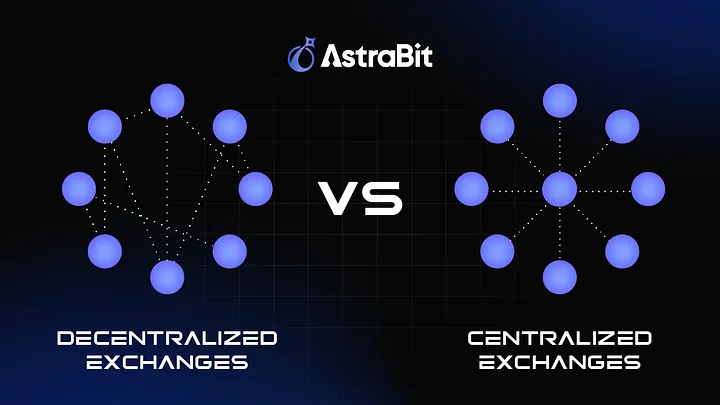
Centralized vs. Decentralized Crypto Exchanges: Making an Informed Choice with AstraBit
In the rapidly evolving world of cryptocurrency, choosing the right exchange is one of the most critical decisions a trader can make. The choice between Centralized Exchanges (CEXs) and Decentralized Exchanges (DEXs) is more than just a technical one — it’s a reflection of your trading priorities, risk tolerance, and belief in the ethos of decentralization. At AstraBit, we understand the importance of this decision and are here to provide insights that will help you navigate this complex landscape.
Ownership and Control of Funds: Who Holds the Keys?
The core distinction between CEXs and DEXs lies in the ownership and control of funds. With CEXs, you trust the platform to hold and manage your assets, often providing a seamless user experience. However, this means relinquishing direct ownership of your funds. A common mantra in the crypto community — “Not your keys, not your coins” — underscores the importance of self-custody.
DEXs empower users by allowing them to retain control of their funds. Transactions occur directly from your wallet, eliminating the need to trust a third party. This level of autonomy resonates deeply with the principles of decentralization, making DEXs an attractive choice for those who prioritize control and security over convenience.
Transaction Mechanisms: Efficiency vs. Decentralization
CEXs and DEXs operate on fundamentally different transaction mechanisms. CEXs act as intermediaries, managing order books and matching buyers with sellers in a centralized environment. This centralized structure facilitates faster transactions and higher liquidity, making them ideal for traders who prioritize speed and efficiency.
On the other hand, DEXs leverage smart contracts to facilitate peer-to-peer, on-chain trading. While this approach eliminates intermediaries, it can result in slower transaction speeds, especially during periods of high network congestion. However, for traders who value transparency and decentralized, these trade-offs are often worth the added autonomy.
Security: Central Points vs. Distributed Risks
Security is a critical consideration for any trader. CEXs, being centralized, are attractive targets for hackers. Despite implementing advanced security protocols, the risk of breaches remains a significant concern, as evidenced by several high-profile exchange hacks.
Conversely, DEXs distribute control across a network, reducing the risk of a single point of failure. While this model offers enhanced security against centralized attacks, it introduces unique vulnerabilities. Smart contract exploits, unvetted projects, and liquidity issues can pose risks to traders. Choosing between CEXs and DEXs often comes down to whether you prioritize ease of use or the ability to control your security.
Fees: A Balancing Act
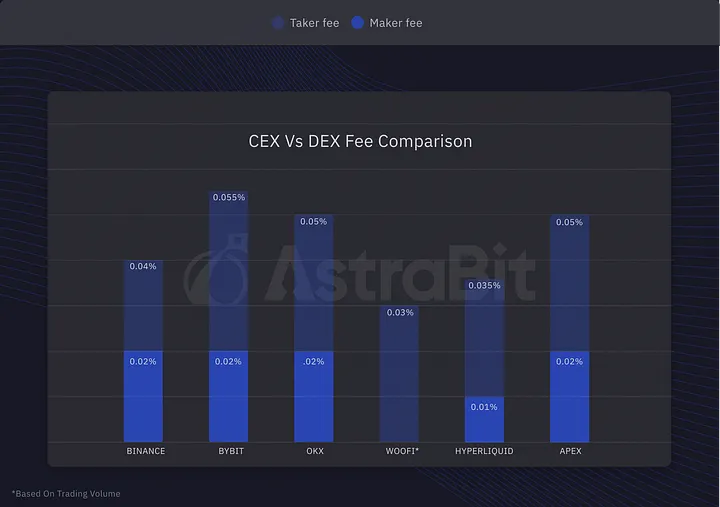
Fees play a pivotal role in the decision-making process. CEXs typically offer lower trading fees but may charge additional costs for deposits and withdrawals. These hidden costs can add up, particularly for active traders.
DEXs often have higher trading fees, especially on networks with high gas prices, but they eliminate deposit and withdrawal fees by enabling direct wallet-to-wallet transactions. For traders seeking maximum autonomy, these slightly higher fees can be a worthwhile trade-off for the freedom and control DEXs provide.
Speed and Efficiency: Convenience vs. Control
For traders who prioritize speed, CEXs are often the go-to option. Their centralized infrastructure enables rapid transactions, even during peak trading periods. This efficiency is a key selling point for high-frequency traders and those looking to execute trades quickly.
DEXs, in contrast, can experience delays due to their reliance on blockchain networks. High network congestion can impact transaction times and user experience. However, for many traders, the slower speed is a small price to pay for the enhanced transparency and autonomy that DEXs offer.
Regulatory Landscape: Privacy vs. Compliance
CEXs operate under regulatory frameworks that often include Know Your Customer (KYC) and Anti-Money Laundering (AML) requirements. While these measures enhance security and build trust, they also compromise user privacy. For traders who value anonymity, this can be a significant drawback.
DEXs, on the other hand, operate with minimal regulatory oversight. This lack of KYC requirements allows users to trade without disclosing personal information, aligning with the decentralized ethos of cryptocurrency. However, it’s important to note that the regulatory landscape is evolving, and DEXs may face increased scrutiny in the future.
Pros and Cons: Aligning with Your Goals
Centralized Exchanges (CEXs):
Pros:
- User-friendly interface.
- Faster transaction speeds.
- Higher liquidity.
- Robust customer support.
Cons:
- Centralized control of funds
- Vulnerable to hacks.
- Limited privacy due to KYC requirements.
Decentralized Exchanges (DEXs):
Pros:
- More control over funds.
- Enhanced privacy.
- Aligned with the principles of decentralization.
Cons:
- Slower transactions during network congestion.
- Higher trading fees.
- Less intuitive for beginners.
AstraBit: Bridging the Gap Between CEXs and DEXs
At AstraBit, we believe in empowering traders with the tools and flexibility they need to succeed. Our advanced trading bots are designed to seamlessly integrate with both CEXs and DEXs, giving you the best of both worlds. Whether you value the efficiency of a CEX or the autonomy of a DEX, AstraBit ensures you’re equipped to navigate both environments with confidence.
With AstraBit, you can:
- Automate trades on your preferred exchange.
- Maintain control of your funds when using DEXs.
- Benefit from the speed and liquidity of CEXs.
- Optimize your trading strategies for maximum returns.
Conclusion: Choosing What’s Right for You
Both centralized and decentralized exchanges play essential roles in the crypto ecosystem, each catering to different needs and priorities. While CEXs offer convenience and speed, DEXs provide control and align with the foundational principles of cryptocurrency.
AstraBit’s versatile trading bots enable you to leverage the strengths of both exchange types, empowering you to trade on your terms. The choice ultimately depends on your trading goals, but with AstraBit by your side, you can confidently explore and capitalize on the opportunities offered by both CEXs and DEXs.
Share this post


